The Power of Integrating CRM With Sales Pipelines
When it comes to enhancing sales efficiency, the unique selling point of integrating CRM with sales pipelines cannot be overstated. Imagine a seamless system that not only keeps track of customer interaction but also organizes sales processes into a structured pipeline, leading to increased attention towards client needs. This integration creates interest among sales teams eager to streamline their workflow and improve conversion rates. It sparks desire by offering real-time insights into customer preferences and sales forecasts, ensuring actions taken are based on data-driven decisions. To experience these benefits, many businesses are turning to CRM solutions that mesh perfectly with their sales pipelines. Special promotions and offers on these software can be the nudge businesses need to adopt this transformative approach. With a step-by-step tutorial on effectively integrating CRM with your sales processes, organizations can be well on their way to optimizing sales performance.
Integrating CRM with sales pipelines is not just about combining tools; it’s about revolutionizing your sales process. With the right CRM system, you gain the unique advantage of real-time updates on sales activities, grabbing attention across your team. These tools generate interest by offering analytics that illuminate customer needs and potential market opportunities. The desire to close deals quicker grows as CRM systems can automate tasks and reminders, keeping the sales pipeline moving efficiently. Call-to-action promotions from CRM providers often include free trials or discounts, encouraging businesses to implement this powerful integration. Detailed tutorials can guide users through the setup process, ensuring a smooth transition into this enhanced sales environment.
In an increasingly competitive business landscape, Integrating CRM with sales pipelines offers an undeniable edge. The unique selling point lies in the ability of CRM systems to centralize customer data, providing clarity and fostering attention among sales reps to focus on leads that matter. This method of working generates interest by aligning sales strategies with customer insights. It drives the desire to reduce manual tasks and eliminates the guesswork in sales forecasting. Actionable CRM solutions often come bundled with promotions and offers, making them attractive buys. For those new to this concept, tutorials and guidebooks can be handy resources, aiding you in leveraging CRM systems to their fullest potential.
Key Benefits of Integrating CRM With Sales Pipelines
1. Enhanced Customer Insights: By integrating CRM with sales pipelines, gain deeper insights into customer behavior and preferences, a unique selling point that draws attention and interest. This integration ensures that you can tailor offerings to meet exact customer needs.
2. Streamlined Communication: With data integrated into one system, communication is seamless. This feature captures the attention of sales teams, sparking interest and desire in promoting strong customer relationships.
3. Improved Sales Efficiency: The integration reduces redundant tasks, leading to increased efficiency. The desire to optimize processes is met by actionable CRM solutions that promote task automation with interactive tutorials to guide implementation.
4. Real-Time Analytics: With powerful analytics tools, businesses can make data-driven decisions. The real-time data promotes interest and a desire among decision-makers to act swiftly in capturing market opportunities.
5. Increased Conversion Rates: By having a centralized view of the sales pipeline, users can quickly identify opportunities for conversion, a strong motivator for taking action. Promotions often offer trial periods to see improvements firsthand.
Maximizing Sales Potential Through Integration
Integrating CRM with sales pipelines doesn’t just add functionality; it fundamentally enhances the sales process. The unique selling point is not just its capability to store information but its potential to transform that data into actionable insights, capturing attention and stimulating interest among sales professionals. As clients progress through the sales pipeline, CRM systems work in tandem to track interactions, set reminders, and automate follow-ups, leading to an increased desire to close deals with precision and ease. Many CRM providers offer promotions and incentives to help businesses realize this powerful integration.
Moreover, integrating CRM with sales pipelines brings a holistic approach to customer management, which fuels interest and desire in establishing loyal relationships. The system collects and organizes customer data efficiently, ensuring actions are always informed and intentional. This proactive strategy is often promoted by CRM providers through exclusive offers, making it an accessible tool for businesses keen on enhancing customer satisfaction. Tutorials aimed at refining the implementation process ensure that even those new to CRM systems can achieve positive results.
The interest in integrating CRM with sales pipelines also stems from its ability to augment decision-making processes. The system’s analytic capabilities mean that businesses can identify trends and predict customer needs, a feature that promotes consistent engagement and drives the desire to stay competitive. With such value-packed benefits, CRM companies often entice potential users with promotions and hands-on tutorials to guide them through leveraging these tools effectively.
In conclusion, integrating CRM with sales pipelines provides a formidable toolkit for businesses striving for excellence in customer relationship management and sales efficiency. Those experiencing the power of this integration firsthand are often driven to act on the comprehensive promotional deals available, underscoring how essential these systems are in modern business practices.
Step-by-Step Guide to Integrating CRM With Sales Pipelines
1. Define Your Objectives: Identify your business goals for integrating CRM with sales pipelines. This foundational step stirs interest by aligning the tool’s capabilities with your vision.
2. Select the Right CRM: Choose a CRM system that offers scalability and customization to meet your business needs. Promotions often highlight these features to attract practical value.
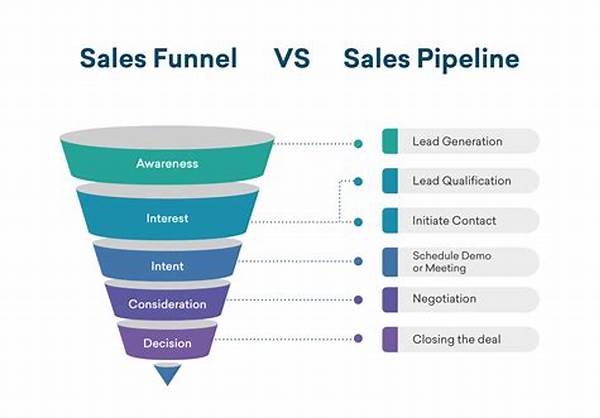
3. Map Your Sales Process: Break down your sales pipeline into stages, a step that generates interest and desire to streamline workflow. Tutorials often guide you in designing this layout.
4. Customize CRM Features: Tailor the CRM to reflect your sales pipeline stages and processes. Promotional literature often emphasizes ease of customization through interactive guides.
5. Import Customer Data: Migrate existing customer data into your CRM, a crucial step that drives the desire for a centralized data system. Support tutorials are often available to ensure a smooth transition.
6. Automate Routine Tasks: Set up automated tasks and reminders to keep the sales process efficient. Promotions and offers highlight this ability to save time and resources.
7. Train Your Team: Invest in a comprehensive training program for your sales team to maximize the use of CRM features. Tutorials act as valuable resources in this learning journey.
8. Monitor and Analyze: Use analytics tools within the CRM to monitor performance and gain insights. Promotions often showcase how data accessibility leads to better decision-making.
9. Optimize Regularly: Continuously review and adjust CRM settings to ensure optimal functionality. This proactive approach is promoted through tutorials on new features and updates.
10. Leverage Promotions: Seize promotional deals when integrating CRM with sales pipelines to access cost-effective toolkits that enhance business processes.
Achieving Success Through CRM Integration
Integrating CRM with sales pipelines serves as a pivotal strategy for businesses aiming to streamline operations and enhance customer relations. The unique selling point of this integration lies in its ability to consolidate sales processes and customer data, capturing attention and sparking interest. This organized approach generates a strong desire among businesses to improve sales performance by relying on data-driven insights. Taking action becomes straightforward with the many promotions available to reduce integration costs. Tutorials play a crucial role in this journey, providing step-by-step guidance to users new to these technologies.
For companies seeking a competitive edge, integrating CRM with sales pipelines offers comprehensive advantages. The system features tools that foster interest among sales teams by simplifying complex processes and focusing on high-value leads. The desire to improve conversion rates is a natural outcome of utilizing CRM systems designed to align customer data seamlessly with sales strategies. Promotions and discounts often serve as incentives for businesses to make the transition, with tutorials available to ease the setup and operational process, ensuring success from the onset.
Moreover, the ongoing management and fine-tuning of sales processes through CRM integration are pivotal for sustained growth. The interest in maintaining robust customer relationships is matched by the desire to provide tailored solutions efficiently. CRM tools provide ongoing analytics and feedback, promoting the adoption of adjustments to improve results. The action businesses take in response to these insights is further encouraged by available promotions aimed at making CRM systems more accessible. Tutorials guide businesses in optimizing these newfound capabilities to their advantage.
Ultimately, Integrating CRM with sales pipelines isn’t merely about keeping up with technological advancements; it’s about redefining sales success. The myriad benefits offered through this integration are designed to drive performance, efficiency, and customer satisfaction. For businesses ready to embrace this transformation, taking action is encouraged by promotional offers that render the integration process as seamless and rewarding as possible.
Steps to Implementing CRM With Sales Pipelines
Implementing CRM with sales pipelines is not just a technological upgrade but a transformative business strategy. The unique selling point here is in its capacity to centralize customer interactions and sales processes, fostering attention and engagement among sales teams. Interest in CRM systems is piqued when businesses recognize the potential for seamless communication channels that eliminate unnecessary redundancies and enhance productivity. By cultivating a deep understanding of customer journeys and sales flows, companies find themselves desiring a more structured and efficient workflow. Promotion strategies often involve demonstrations or trial periods allowing businesses to experience benefits firsthand. Tutorials act as a navigational tool, ensuring a seamless integration process.
At its core, integrating CRM with sales pipelines provides a consolidated platform that promotes organization and efficiency. This integration captures interest by addressing common challenges faced in managing sales and customer data separately, instilling a desire for a more interconnected approach. The transition facilitates data-driven decision-making, and many CRM providers offer promotional deals to incentivize the adoption of these systems. Step-by-step tutorials are indispensable in guiding new users through the integration process, creating a smoother onboarding experience that leads to actionable insights and real-time analytics that power sales strategies.
Furthermore, this integration holds the promise of drastically improving sales performance through optimized data use and intelligent forecasting. Sales teams are drawn to this capacity, fueling the desire to eliminate barriers such as manual data entry and process misalignments. These CRM systems incentivize the adoption of promotional offerings and tutorials that elucidate the benefits in detail, transforming theoretical advantages into tangible business outcomes. Businesses that act on these initiatives often see swift improvements in customer engagement and conversion rates.
In essence, the strategic integration of CRM with sales pipelines can redefine a business’s approach to managing sales operations and customer relations. The importance of this integration lies not only in its immediate benefits but in its potential for catalyzing sustained growth and competitiveness. Companies prompted by promotional offers and supported by comprehensive tutorials can effectively harness the power of CRM systems to elevate their sales strategies, making this a worthwhile investment in the future success of any enterprise.