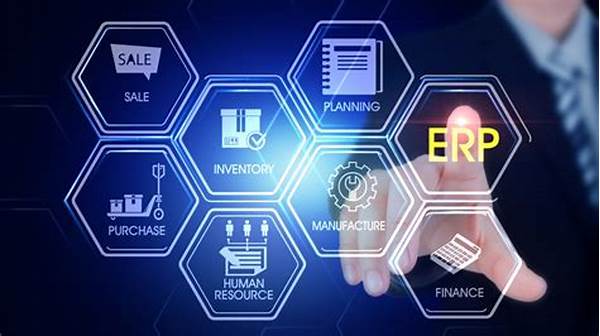
In today’s fast-paced digital world, businesses need robust solutions to keep up with the competition and meet ever-evolving customer expectations. That’s where ERP CRM software comes into play, driving digital transformation forward. If you’ve been looking for a solution that integrates both enterprise resource planning and customer relationship management into one seamless system, then you’ve found it.
Understanding the Impact of ERP CRM Software
Digital transformation is no longer an option but a necessity for businesses aiming to thrive. With ERP CRM software driving digital transformation, companies can experience streamlined processes, increased efficiency, and improved customer interactions all in one platform. The unique selling point here is the software’s ability to consolidate various business needs into one. Attaining your attention with its sophisticated capabilities, this software keeps you interested by delivering precise insights and operational visibility. Your desire to optimize business processes is met with actionable intelligence and automation, while easy integration ensures quick action. Now is the time to transition! Promotions are available for early adopters, and you can find informative tutorials to make this transition smooth and straightforward.
As you explore what ERP CRM software can do, remember that it’s designed to centralize and simplify your processes. From managing customer relationships to handling inventory, finance, and beyond, the software serves as a crucial point of convergence for all these facets. With tailored solutions―to meet unique business needs―the ERP CRM software system simplifies complex tasks, generating interest through its high adaptability and advantage of an all-inclusive approach. As the digital age advances, this tool becomes an essential companion for sustained success in your industry.
Key Benefits of ERP CRM Software in Digital Transformation
1. Unified Data Management
ERP CRM Software driving digital transformation centralizes your data, offering you a 360-degree view of operations, enhancing decision-making.
2. Enhanced Customer Relationships
With advanced CRM features, businesses can foster deeper connections, ensuring loyalty and satisfaction for long-term success.
3. Process Automation
Automate repetitive tasks, reduce human errors, and optimize efficiency with cutting-edge ERP CRM tools.
4. Scalability and Flexibility
Easily adjustable to grow with your business, the software adapts to industry changes without hassle.
5. Insightful Analytics
Integrated analytics help you understand trends and performance metrics, giving you the insight needed to drive strategic decisions.
Navigating the Shift Towards Digital Excellence
Adopting ERP CRM software driving digital transformation requires a strategic approach. Firstly, understand the specific needs of your business. With the unique selling point of an integrated system, this software captures various business dimensions in a single interface. By grabbing your attention with its capability to streamline tasks, the software ensures interest is sustained through continuous updates and scalability. As the desire for enhanced productivity grows, businesses can take decisive action by seamlessly integrating this technology into daily operations.
Promotions tailored to organizational needs often accompany software deployment, making it a cost-effective investment. With detailed tutorials and training sessions available, companies can leverage this software to pivot swiftly and strategically. Imagine cutting down administrative overheads while boosting customer satisfaction; the possibilities are endless. As more businesses recognize the unparalleled benefits of ERP CRM software, the competitive edge it offers becomes clearer. Now is the time to act, transform, and lead the change in your industry.
Tutorial: How to Maximize ERP CRM Software Advantages
Efficient use of ERP CRM software driving digital transformation ensures that businesses remain competitive and efficient. Here’s a step-by-step tutorial to guide you through maximizing these benefits:
1. Assess Business Needs
Conduct a thorough analysis of your operational requirements.
2. Select the Right Software
Choose a solution that aligns with your business size, industry, and goals.
3. Customize to Suit
Tailor the software settings to support specific work processes and customer needs.
4. Integrate Existing Systems
Ensure smooth interaction with current IT architecture for seamless operation.
5. Educate Your Team
Utilize available tutorials and training programs to upskill your workforce.
6. Monitor Performance Metrics
Leverage analytical tools to keep track of progress and areas for improvement.
7. Regular Updates and Maintenance
Keep the system updated to utilize the latest features and security patches.
8. Feedback Loop
Encourage staff to provide feedback on system performance for continuous upgrades.
9. Scalable Adjustments
Polish your system settings as business demands evolve.
10. Leverage Promotions
Utilize introductory promotions that offer cost savings during the implementation phase.
Understanding the ROI on ERP CRM Tools
The return on investment (ROI) of ERP CRM software driving digital transformation can be seen across multiple facets of a business – from financial gains to strategic enhancements. Unique selling points of this software include its capacity to unify operational and customer-facing components, which directly translates into increased efficiency and cost reduction over time. Capturing the attention of management with tangible economic benefits, it makes a strong case by stimulating interest through proven case studies and success rates.
The desire to attain greater profits inevitably follows as businesses witness the wide scope of improvements. Immediate action is warranted by the competitive advantage this provides in your industry landscape. As you explore further offers or promotions, understand that these tools are designed to transform your business operations landscape fully. Their integration isn’t just an upgrade but an evolutionary step forward in today’s dynamic market. Invest where it matters and embrace cutting-edge solutions to stay ahead.
In summary, the ERP CRM software system not only supports but drives critical changes necessary for thriving in a digital economy. By amalgamating critical business functions into one efficient platform, the technology offers actionable insights that empower companies to make informed decisions. With detailed initial tutorials and ongoing training, businesses can seamlessly adapt to the software, leveraging its full potential. The scope and scale of digital transformation made possible through these tools offer an unmatched opportunity for growth and excellence.
Implementing ERP CRM Systems: A Comprehensive Guide
Embarking on the journey of integrating ERP CRM software driving digital transformation into your business model requires a clear roadmap and careful planning. Here’s a breakdown of how you can seamlessly adopt this revolutionary software and optimize your business processes:
First, recognize the specific unique needs of your company, focusing on both operational excellence and customer satisfaction. The unique selling point of ERP CRM software is its ability to merge complex data streams into one interface, and this should guide your selection. By capturing the attention of decision-makers through cost-benefit analyses showing potential savings and revenue growth, the need for now piques their interest in adopting these solutions.
Next, create a detailed implementation plan that incorporates short-term goals and long-term objectives. Actively involve relevant stakeholders, ranging from IT staff to departmental managers, to ensure a holistic approach to deployment. This collective involvement bolsters the desire for system adoption by showcasing real-time benefits and fostering a culture of empowerment. This structured approach lays out a path for decisive action as your business transitions into digital readiness.
Make use of promotions available for early adopters, which often include discounted rates and extended trial periods. Pairing this tactical buying with thorough training sessions for all team members, you ensure a smooth shift into this new system. Quality tutorials clarify technical concepts, breaking them down into manageable and understandable modules. By continuously following up with feedback sessions and training updates, you maintain an evolutionary adoption curve saturated with knowledge and innovation.
Finally, measure the transformation progress through metrics like efficiency rates, customer satisfaction indices, and return on investment. These KPIs validate the effort and resources deployed into ERP CRM software systems, and they further highlight the new competitive edge achieved. By reflecting on these metrics, refining strategies, and setting higher benchmarks, businesses can ensure they remain on the cutting-edge of digital transformation.
In this transitioning digital sphere, ERP CRM software serves as a transformative force. Its unique combination of powerful features and strategic adaptability, set within an interface designed to maximize user experience, makes it an indispensable asset for companies aiming to scale new heights.
By leveraging your initial interest and coupling it with structured action, your business lands itself at the forefront of technological advancement, ensuring not just survival but thriving future success.