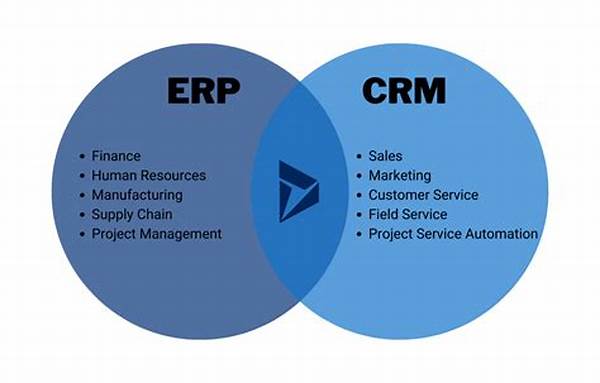
In today’s fast-paced business environment, having a competitive edge is critical. One significant way to differentiate yourself from competitors is through the integration of ERP and CRM systems. This integration not only optimizes business processes but substantially enhances sales performance. Imagine seamlessly managing both backend operations and customer relationships, allowing for streamlined processes and substantial growth. By integrating ERP and CRM, businesses can tap into unprecedented insights and efficiencies, driving them toward greater sales success.
Understanding the Impact of ERP CRM Integration on Sales
The integration of ERP (Enterprise Resource Planning) and CRM (Customer Relationship Management) systems provides a single source of truth, combining back-end operations with front-end customer interactions. This synergy yields better customer insights, smoother sales processes, and improved customer service, ultimately leading to enhanced sales performance.
Unique Selling Point: The core advantage of ERP CRM Integration is the holistic view it provides across all facets of a business. Seamlessly aligning sales, finance, and operations bridges the gap between customer needs and business capabilities.Attention and Interest: Businesses are constantly seeking ways to improve efficiency and customer engagement. By focusing on both internal operations and customer relationships, ERP CRM Integration emerges as a powerful tool to captivate the interest of industry leaders and decision-makers.Desire and Action: The desire to use this integration stems from its ability to improve decision-making through accurate, real-time data. Businesses taking decisive action by adopting this strategy see a notable increase in sales performance.
Key Elements of ERP CRM Integration for Sales Enhancement
Benefits of ERP CRM Integration Enhancing Sales Performance
1. Unique Selling Point: Experience a cohesive business environment where information flows freely across departments, ensuring everyone is on the same page.
2. Attention: Capture the market’s attention by showcasing superior customer experiences driven by integrated data insights.
3. Interest: Foster an interest in your products by leveraging the comprehensive data insights yielded by integrated ERP and CRM systems.
4. Desire: Create a desire for meaningful analytics and predictive sales trends, leading to more informed strategic decisions.
5. Action: Encourage real-time action and responses to sales leads, resulting in quicker sales cycles and higher conversion rates.
The Strategic Importance of ERP CRM Integration in Sales
Businesses increasingly recognize the value of integrating ERP and CRM systems. By leveraging this integration, they can achieve unparalleled transparency and efficiency in managing customer interactions and backend processes. The removal of silos allows businesses to streamline operations and enhance customer loyalty—a vital component in boosting sales.
In today’s competitive landscape, the ability to provide personalized solutions quickly is a crucial advantage. ERP CRM Integration supports this by providing access to a wealth of customer and product information in real-time. This advantage translates into tailored customer experiences that are timely and relevant, propelling businesses toward enhanced sales performance.
The strategic alignment of ERP and CRM systems enables businesses to mine data effectively, uncovering insights that were previously inaccessible. Sales teams can make data-driven decisions with confidence, knowing they are backed by comprehensive information. The result is a proactive approach to sales strategy, directly impacting sales results positively.
Tutorial: Implementing ERP CRM Integration to Boost Sales
For businesses seeking to implement ERP CRM integration, a strategic approach is essential. Here is a step-by-step guide to successfully merging these systems:
1. Conduct a Needs Assessment: Start by identifying specific goals and the requirements for integration.
2. Select the Right Software: Choose ERP and CRM software that best aligns with business objectives.
3. Data Migration Strategy: Develop a robust plan to ensure seamless data migration between systems.
4. Define Integration Scope: Clearly outline which processes and data need to be integrated.
5. Staff Training: Provide comprehensive training to staff to maximize the benefits of the integration.
6. Phased Implementation: Roll out the integration in phases to manage risks and ensure stability.
7. Monitor and Optimize: Continuously track performance post-integration and make necessary adjustments.
8. Feedback Loop: Encourage feedback from users to enhance and optimize the system continually.
9. Security Measures: Implement strong security protocols to safeguard sensitive data.
10. Celebrate Milestones: Recognize and celebrate successful stages of the integration process to maintain morale and motivation.
Overcoming Challenges in ERP CRM Integration
The path to achieving ERP CRM Integration Enhancing Sales Performance isn’t without its challenges. Businesses must be prepared for potential hurdles, such as data silos or resistance to change. Effective communication is crucial in overcoming these barriers, ensuring that everyone from top management to end-users understands the integration’s benefits.
A common challenge is aligning goals between different departments. The solution lies in fostering a culture of collaboration. By encouraging open communication and shared objectives, businesses can cultivate an environment where ERP CRM integration thrives.
Additionally, investing in training and support for employees is vital. It’s imperative to equip staff with the tools and knowledge necessary to leverage the integration effectively. A well-trained team not only minimizes resistance but also fully utilizes the system’s capabilities to enhance sales performance.
How ERP CRM Integration Drives Sales Performance
The power of combining ERP and CRM systems lies in the creation of a coherent, data-driven approach to business operations. By integrating these systems, sales teams are equipped with up-to-date, actionable information that aids in crafting personalized customer experiences.
This integration fosters a seamless flow of information. Sales team members can quickly ascertain customer history, preferences, and behaviors, enabling them to make informed decisions. Real-time insights into inventory and product availability further empower sales teams to pitch effectively and close deals swiftly.
Moreover, ERP CRM Integration Enhancing Sales Performance isn’t just about internal processes—it’s about elevating the customer’s journey. The integration streamlines customer interactions, ensuring that every touchpoint, from inquiry to purchase, is optimized for maximum satisfaction. This focus on the customer journey translates into increased sales, as happy customers are more likely to make repeat purchases and refer others.
As businesses increasingly seek to differentiate themselves, those adopting ERP CRM integration stand at the forefront of innovation. This integration serves as a blueprint for sales excellence, providing the foundation for sustained business growth in a rapidly evolving market landscape.
Key Takeaways on ERP CRM Integration for Sales Success
ERP CRM Integration Enhancing Sales Performance is a critical strategy for businesses aiming to thrive in today’s competitive market. By integrating these systems, companies unlock comprehensive insights and efficiencies that directly boost sales performance.
At the heart of this integration lies the promise of a unified view of both operational and customer-centric data. With access to real-time, accurate information, sales teams are well-equipped to anticipate customer needs and respond swiftly, enhancing the overall customer experience.
Moreover, the seamless flow of information eradicates silos, aligning all departments towards common business objectives. This unification leads to improved collaboration, optimized processes, and a significant boost in sales productivity.
Through strategic implementation and continuous optimization, businesses can harness the full potential of ERP CRM integration, ensuring they stay ahead in the competitive landscape while driving substantial sales growth.